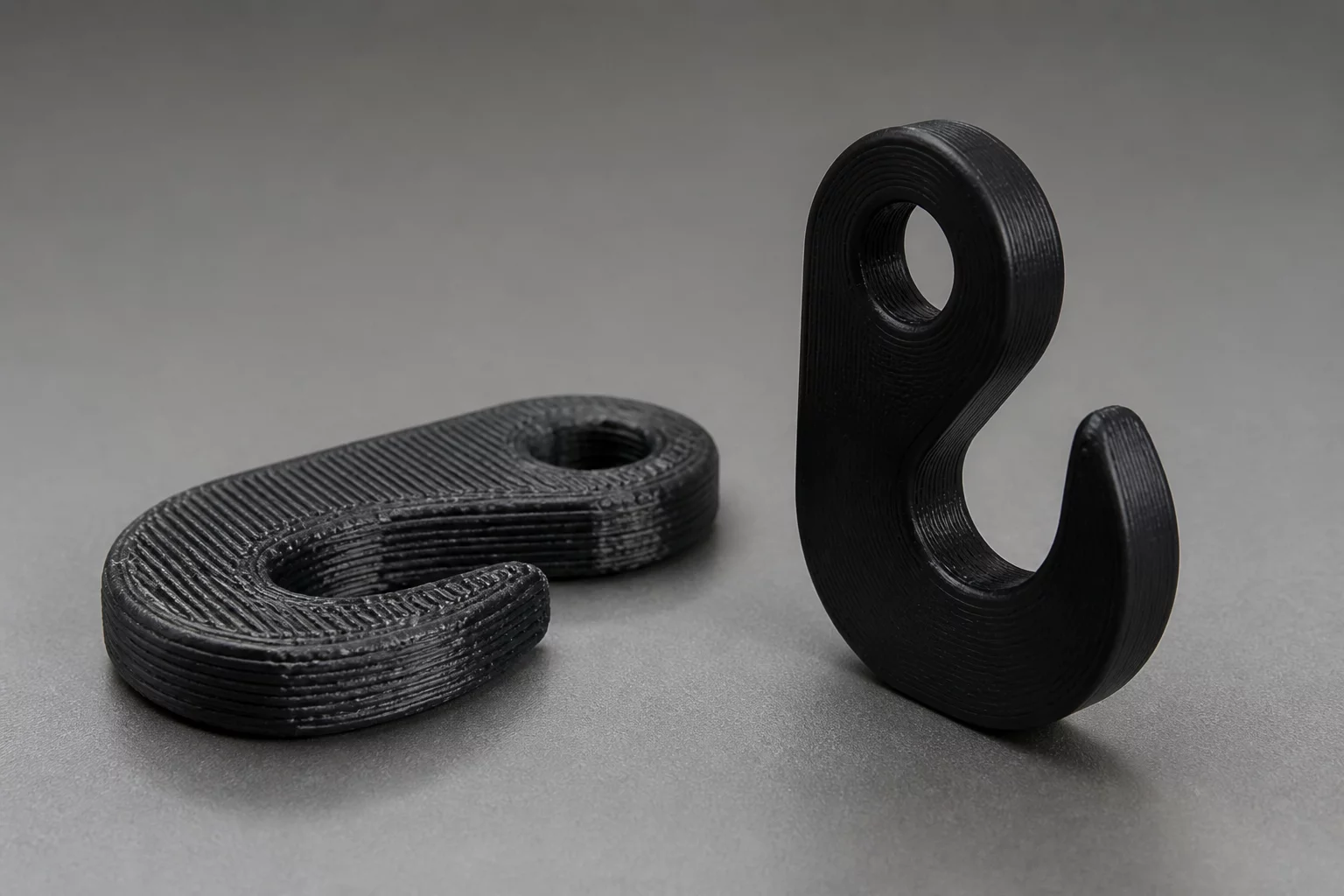
SURFACE VS TENSILE2026-08-25
Best Surface or Best Strength Direction
Evaluating orthogonal build angles where tensile loads conflict with visible cosmetic layer requirements during FDM slicing.
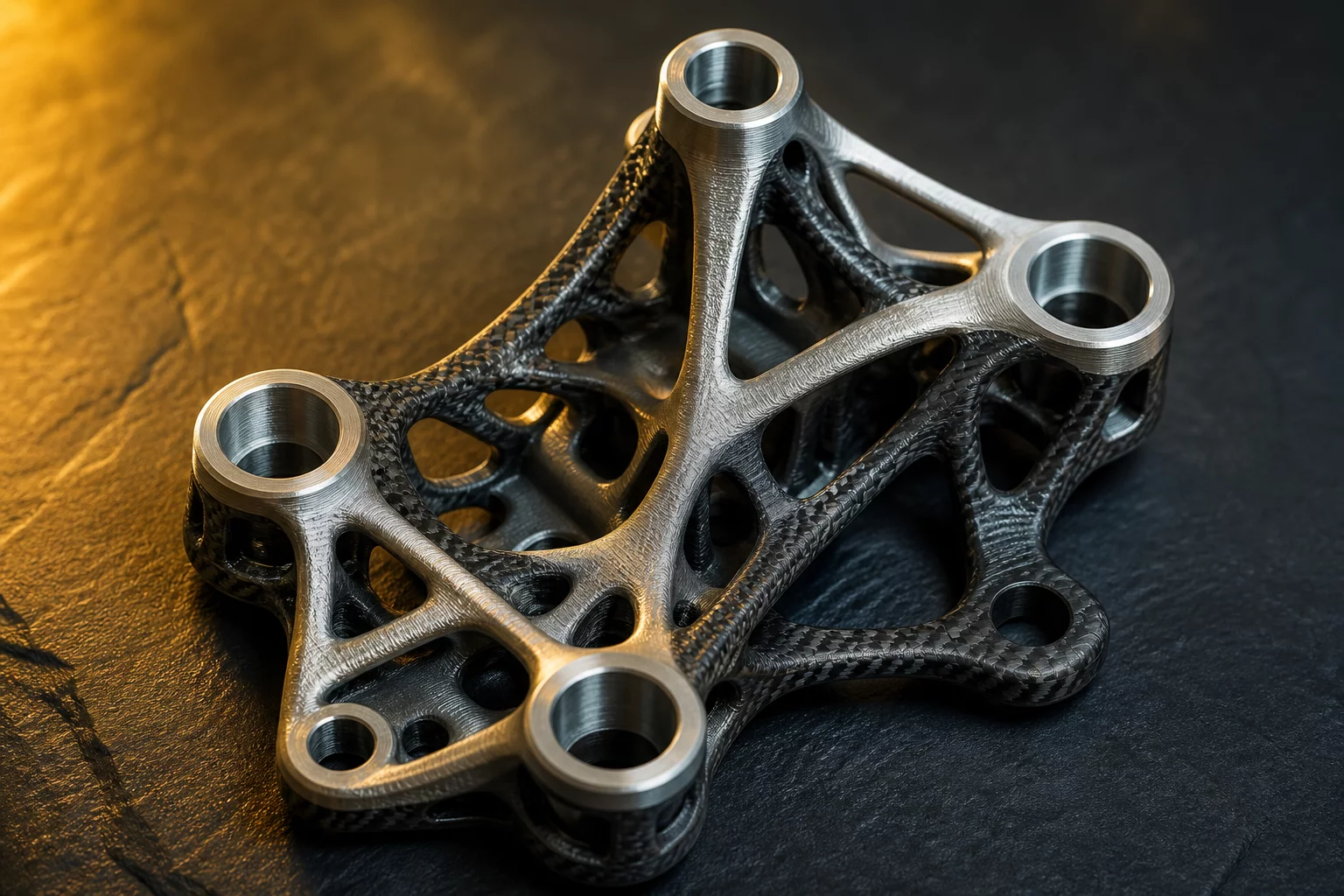
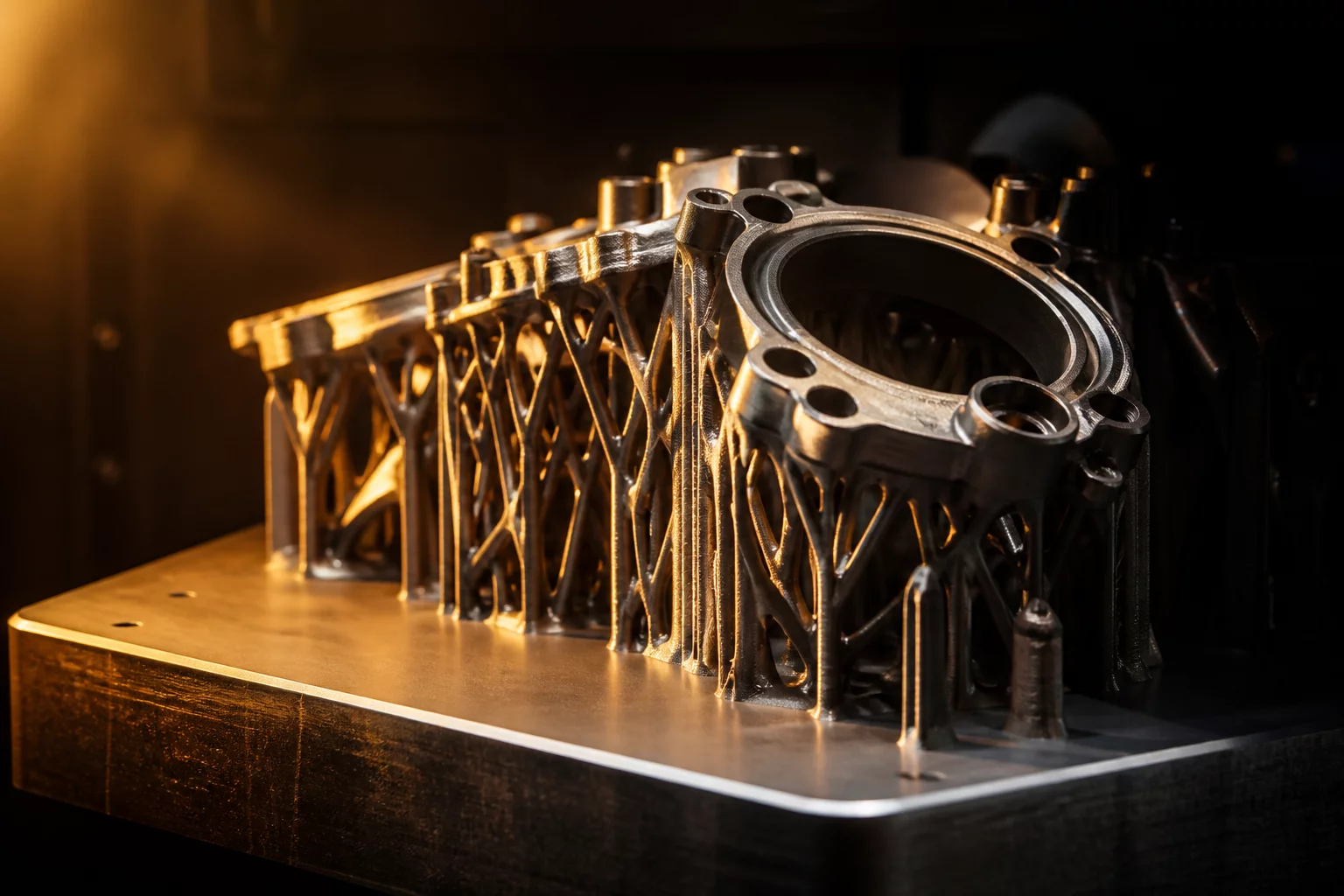
Precision Standards
Detailed evaluations of 3D print orientation decisions across industrial additive workflows. Review how component positioning governs structural load capacity, surface precision, and post-processing efficiency.
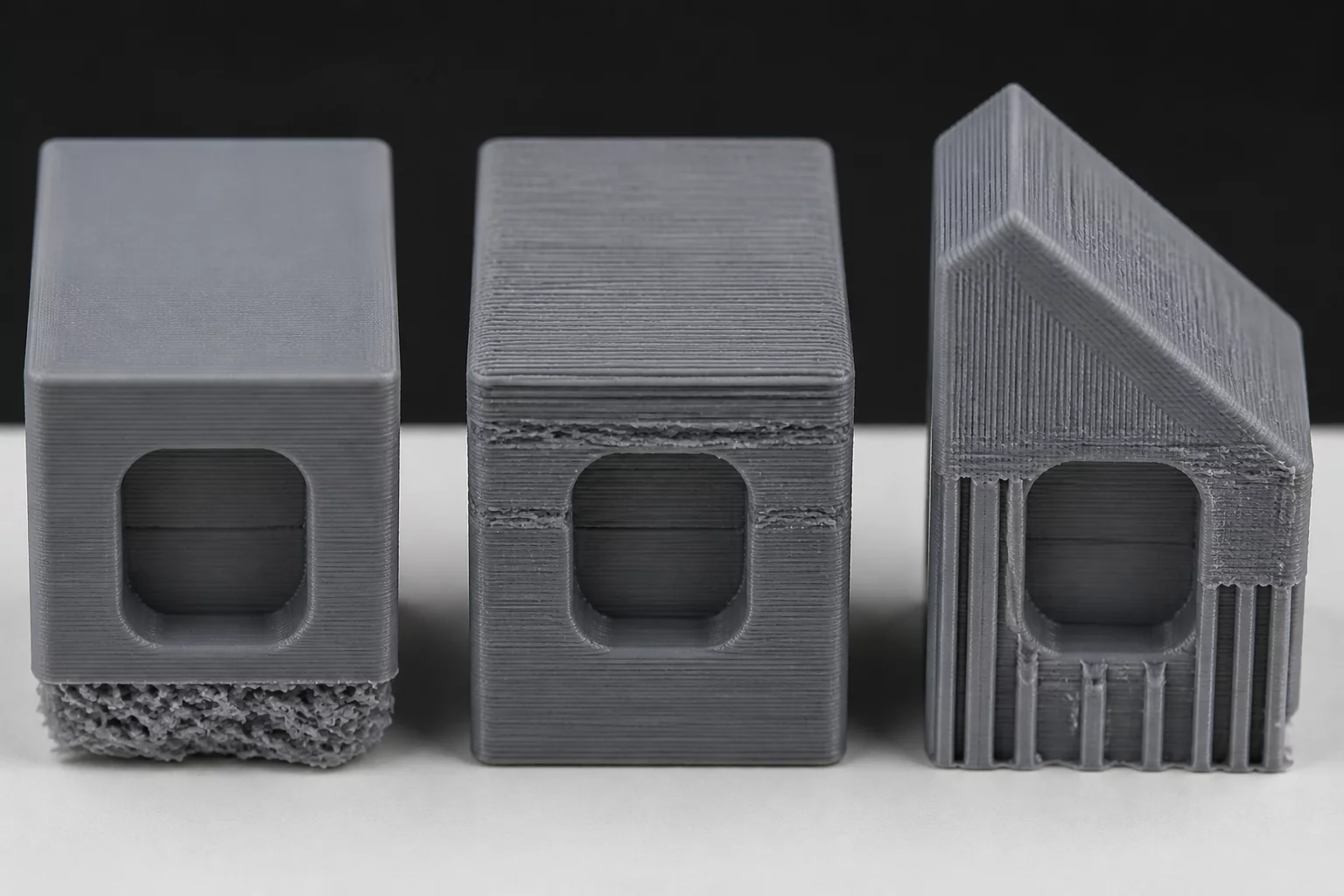
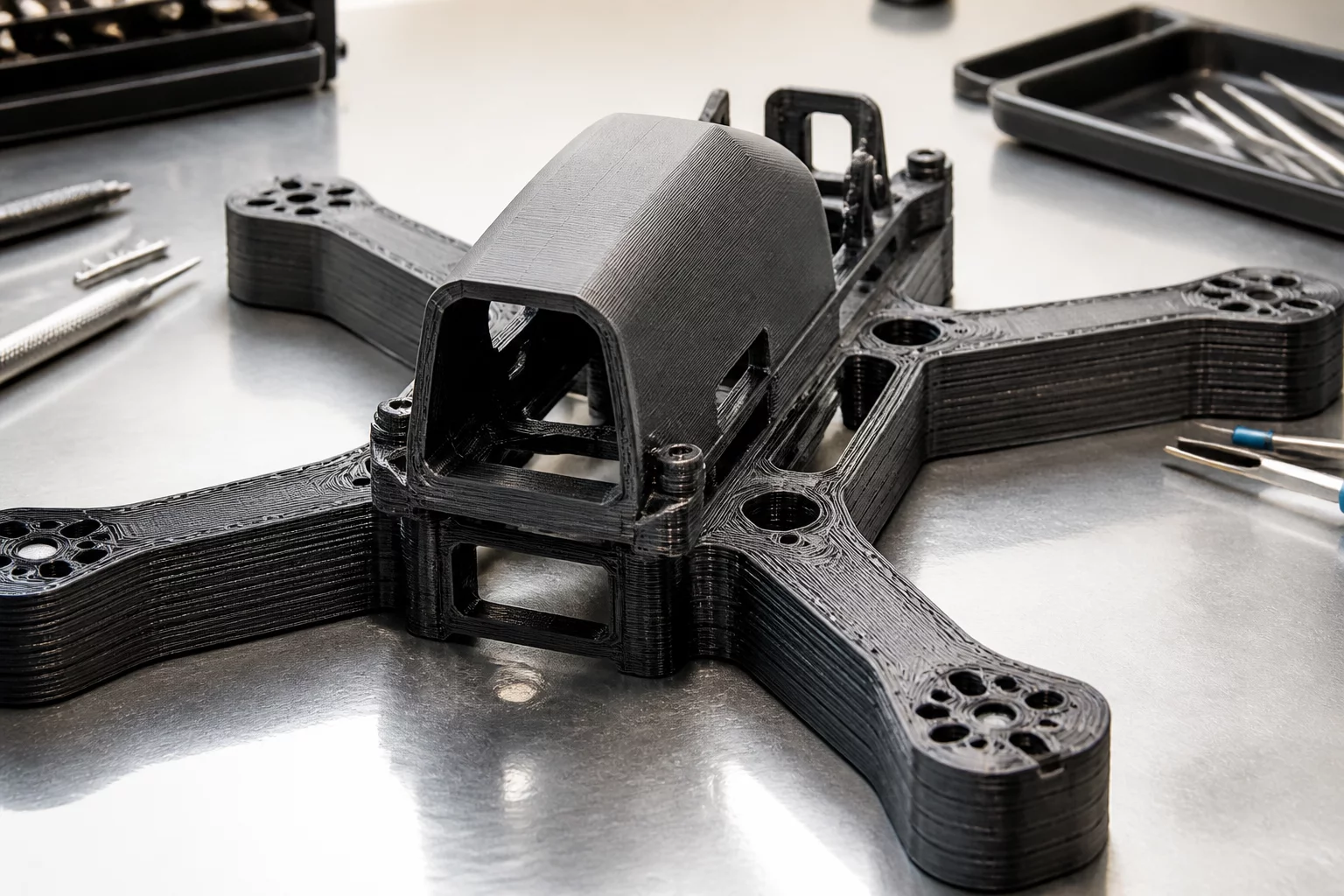
Explore an exhaustive technical evaluation of 3D print orientation decisions. Comparing flat, vertical, and 45-degree build configurations illuminates critical part orientation trade-offs across surface resolution, anisotropic tensile strength, and support interface scarring.
Evaluating orthogonal build angles where tensile loads conflict with visible cosmetic layer requirements during FDM slicing.
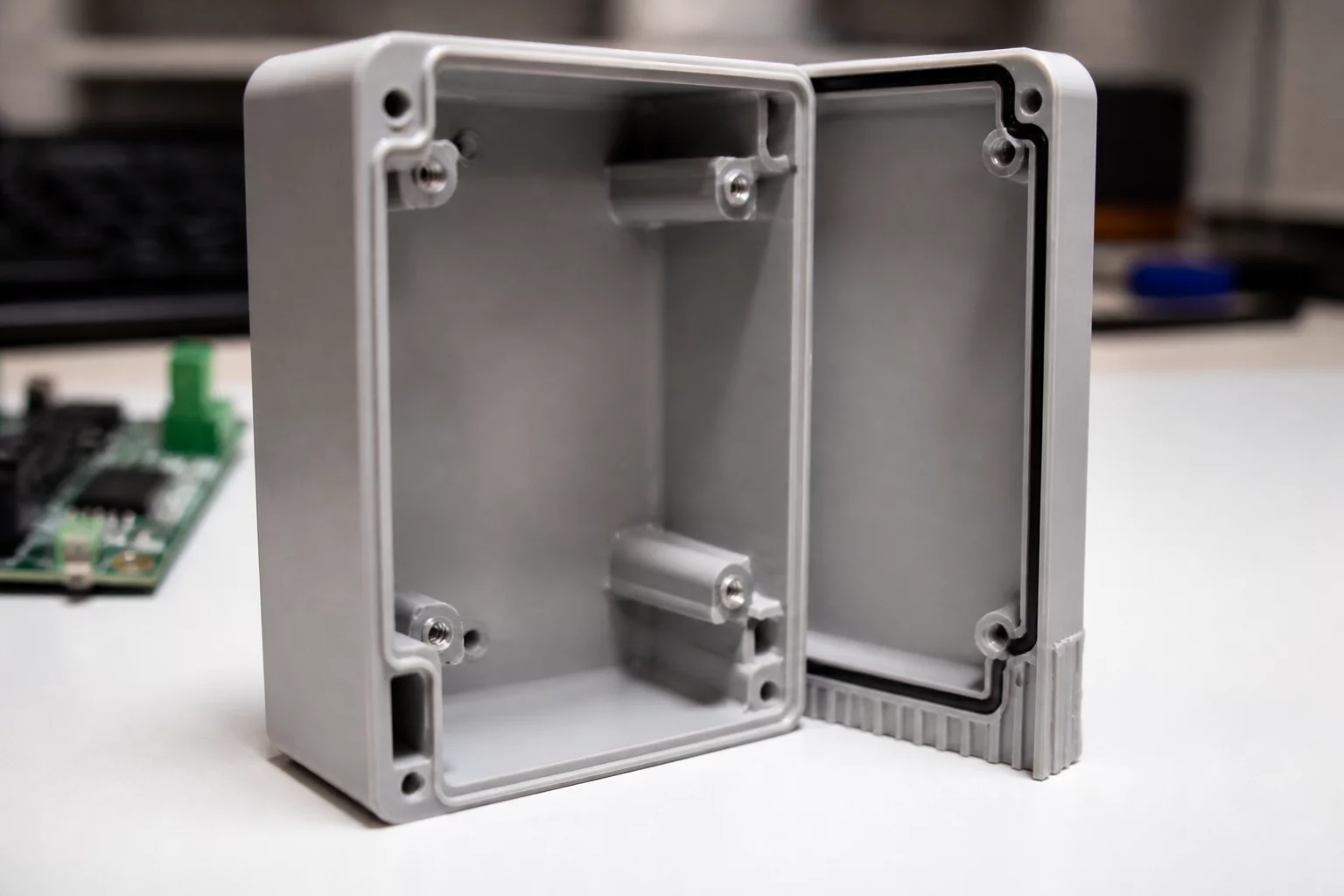
Isolating precision mating dimensions from support interfaces to prevent post-machining cleanups on assembly contact planes.

Systematic re-orientation tactics to shift interface contact scars away from visible focal surfaces and optical features.
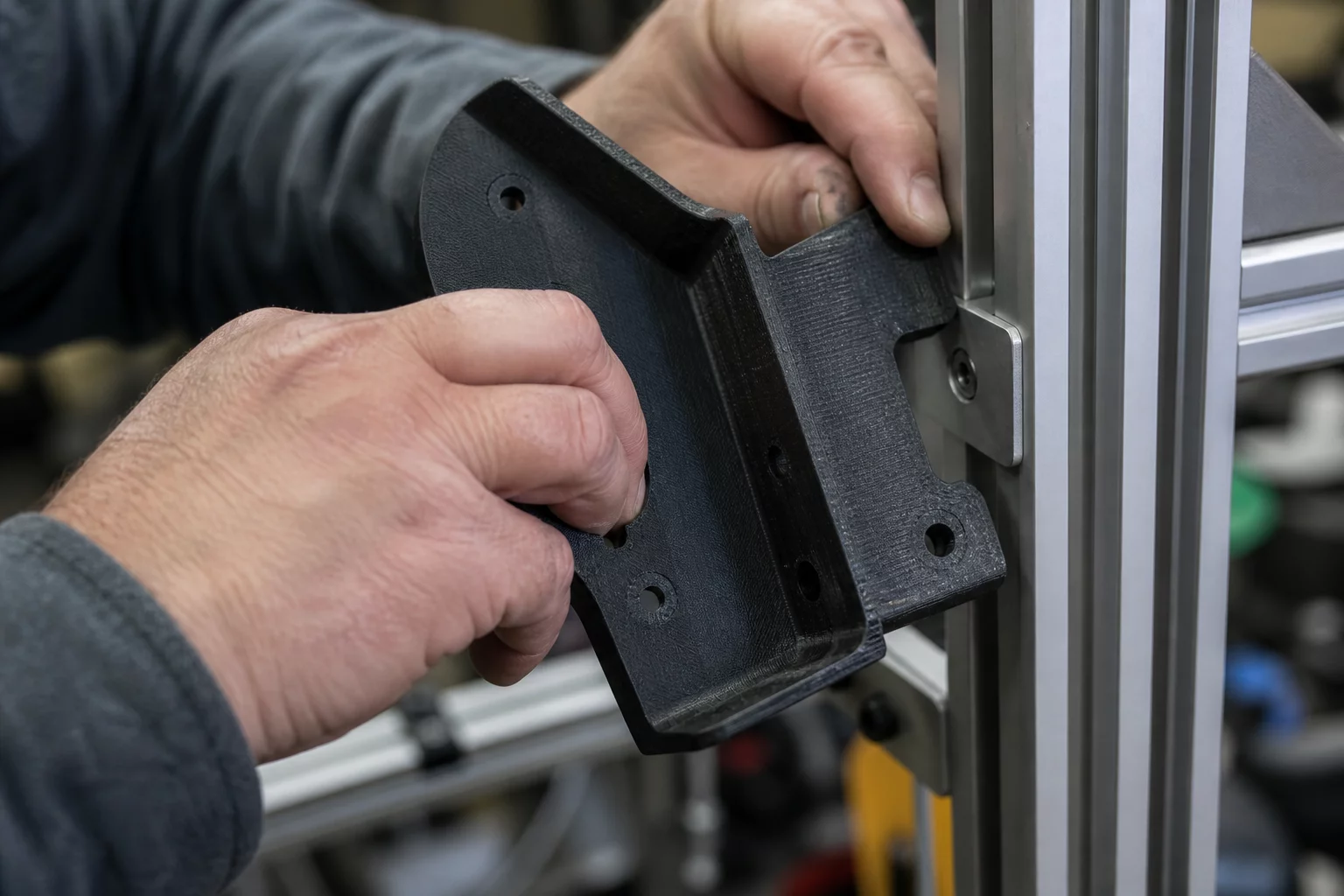
How an over-engineered build angle optimized purely for bending resistance introduced dimensional creep into press-fit channels.
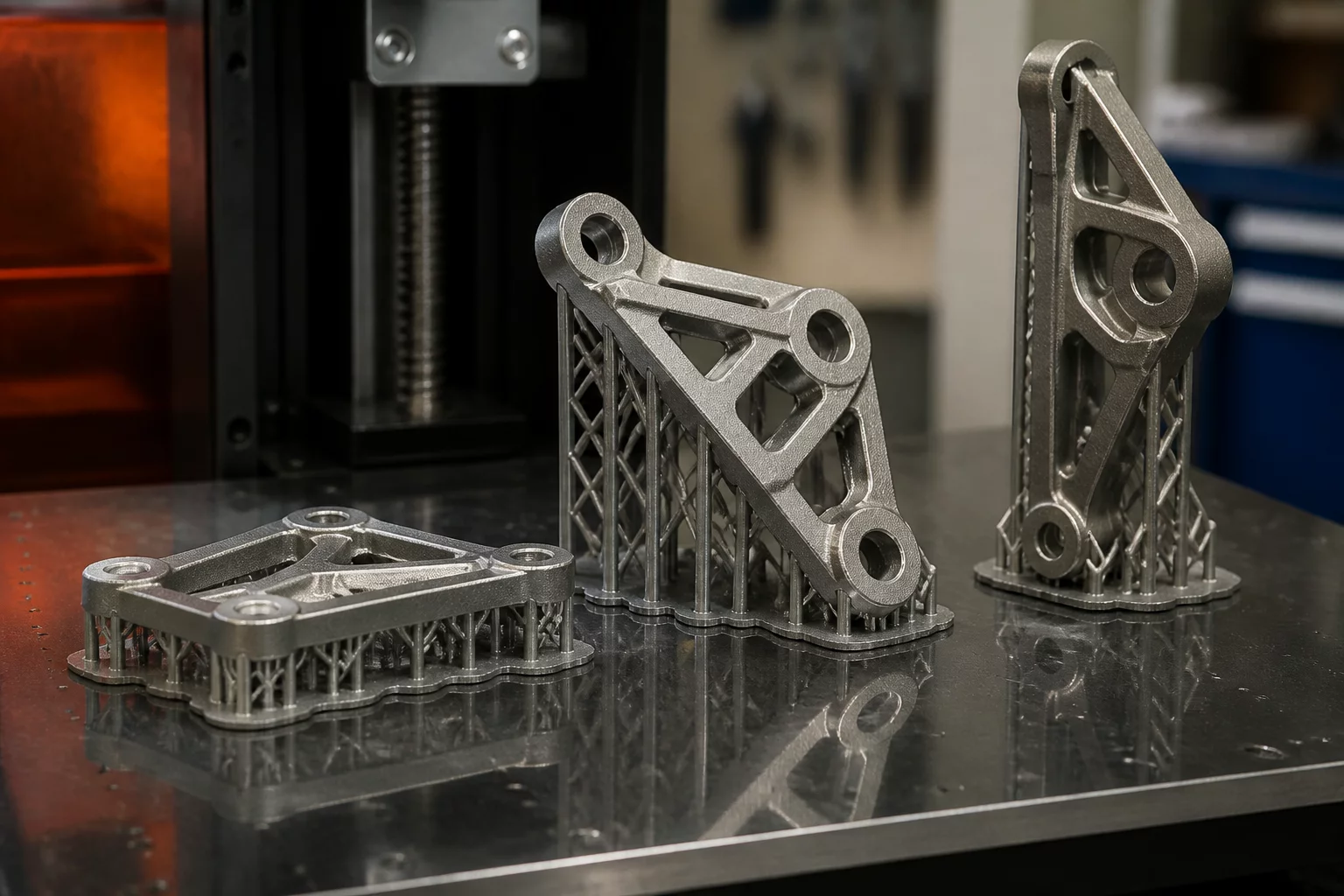
Multi-variant analysis of a structural bracket examining time cost, support volume, and layer-adhesion safety margins.

Eliminating visible stepping lines on compound curves using subtle bed-tilt positioning in modern slicing software.
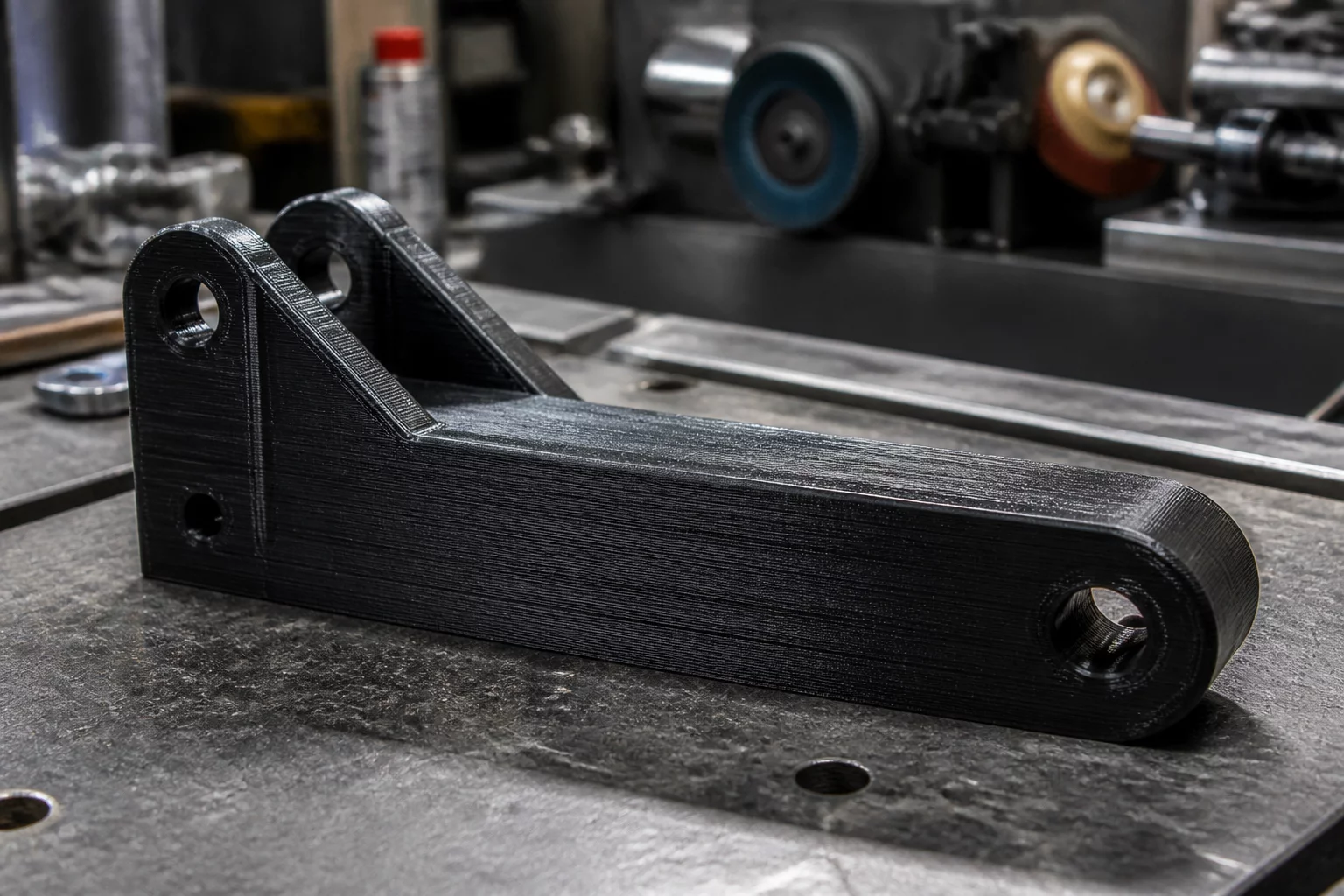
Aligning filament continuous deposition tracks with primary shear planes to withstand severe cyclic vibration loads.

A production-ready checklist protocol for validating slicing angles before launching batch additive manufacturing runs.
Detailed comparison between flat, vertical, and 45-degree angle orientation setups for isotropic balance.
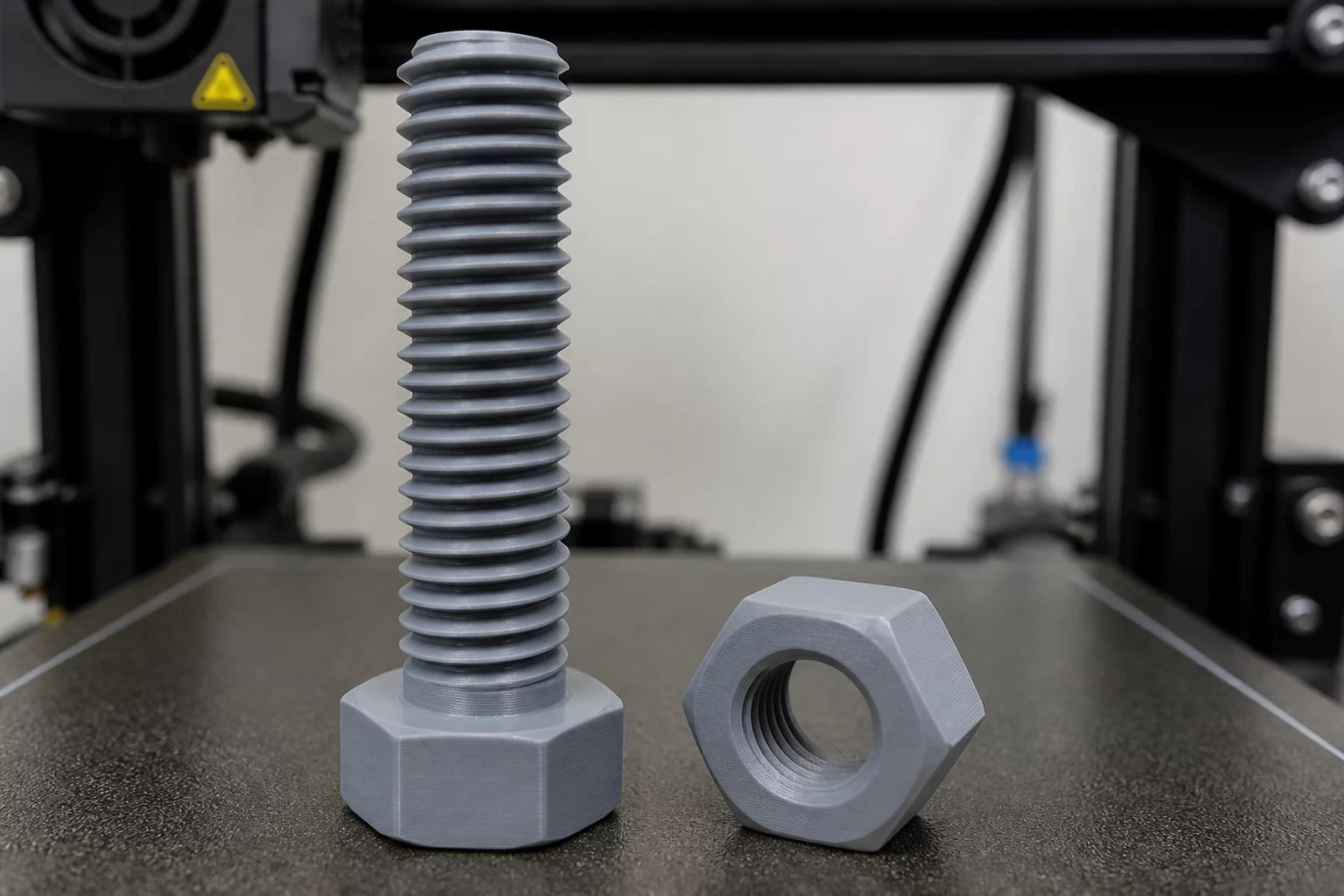
Vertical coaxial slicing strategies to eliminate internal thread support structures and preserve clean engagement pitch.
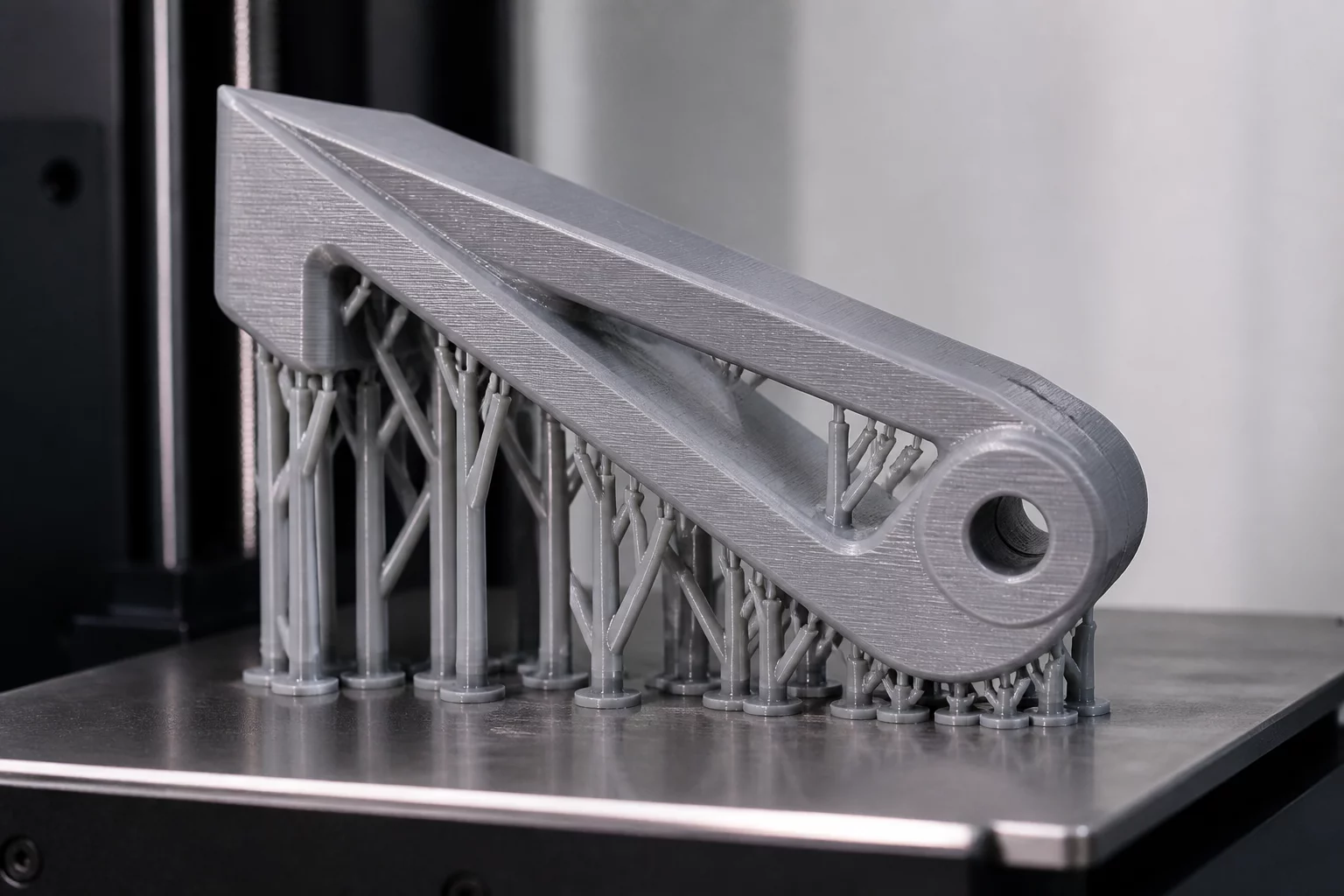
Diagonal orientation angles and customized extrusion temperatures to overcome interlaminar delamination risks.
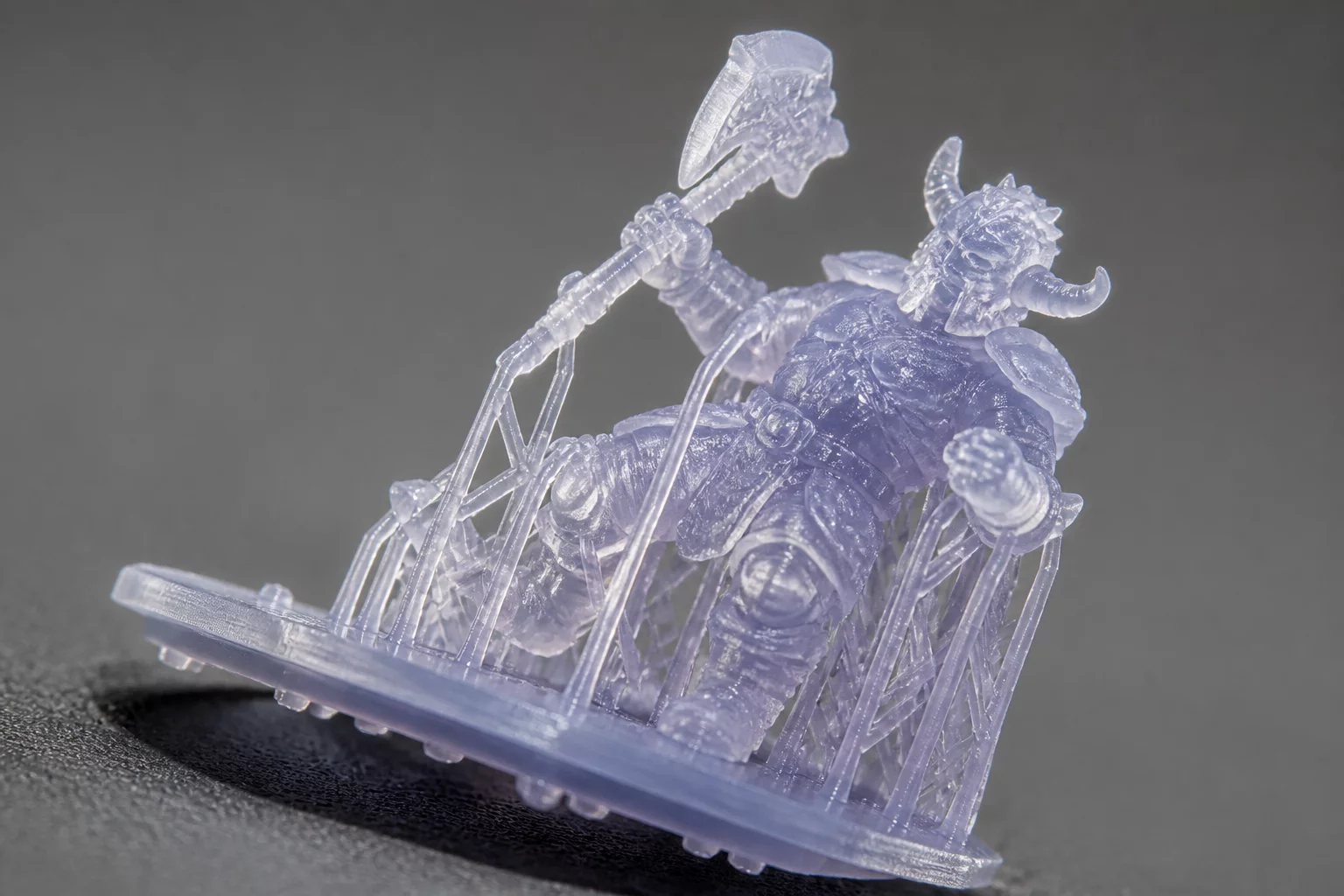
Optimizing peel angle inclination to promote swift photopolymer drainage and eliminate hydrostatic peel suction.

Preventing resin trap blowouts and layer delamination in hollow vat geometries through strategic drain tilt angles.
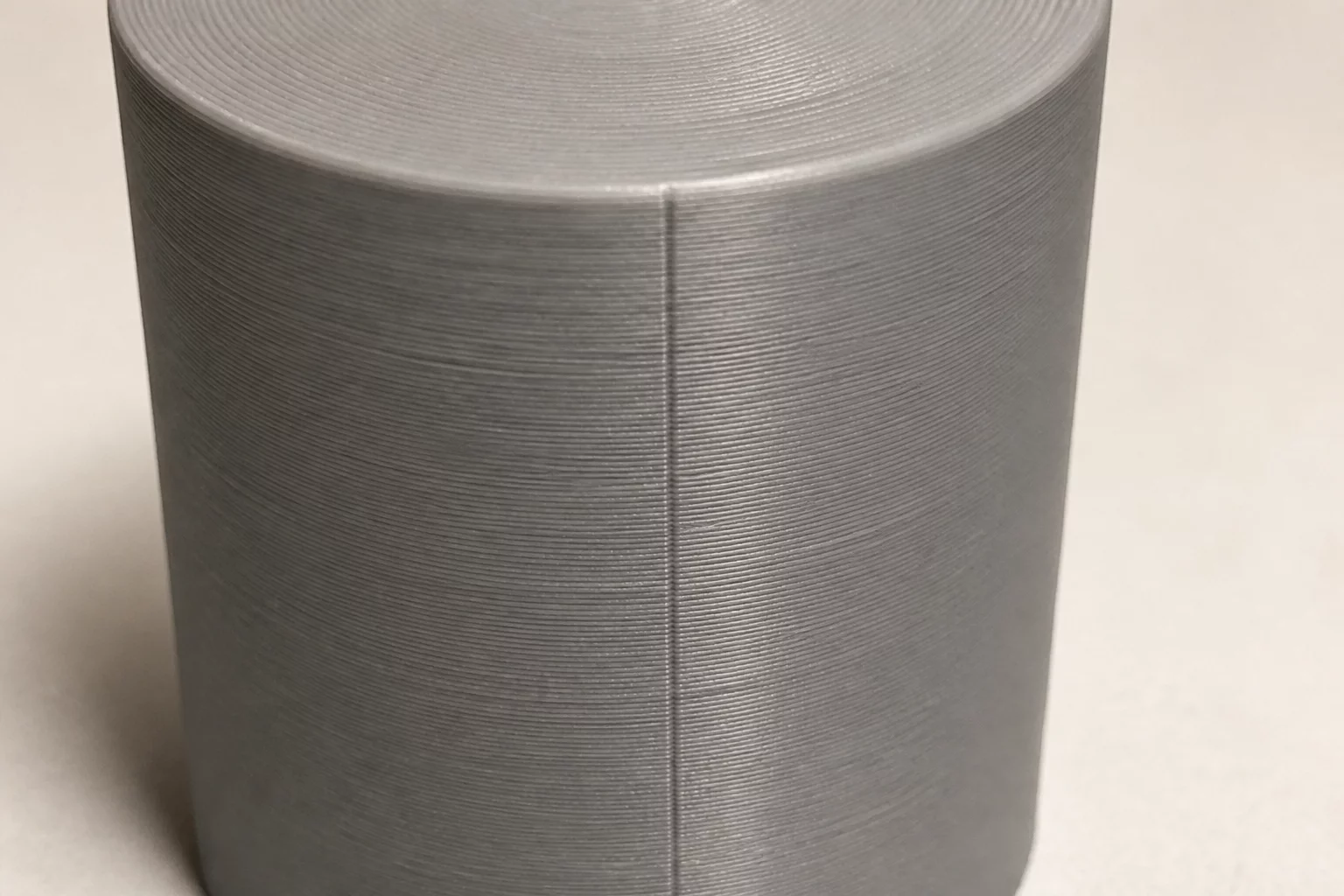
Controlling start-stop nozzle retractions and layer start positions across circular geometry profiles.
Calculating throughput metrics and adaptive layer heights across variable slant angles in commercial prototyping.