01
Functional Direction
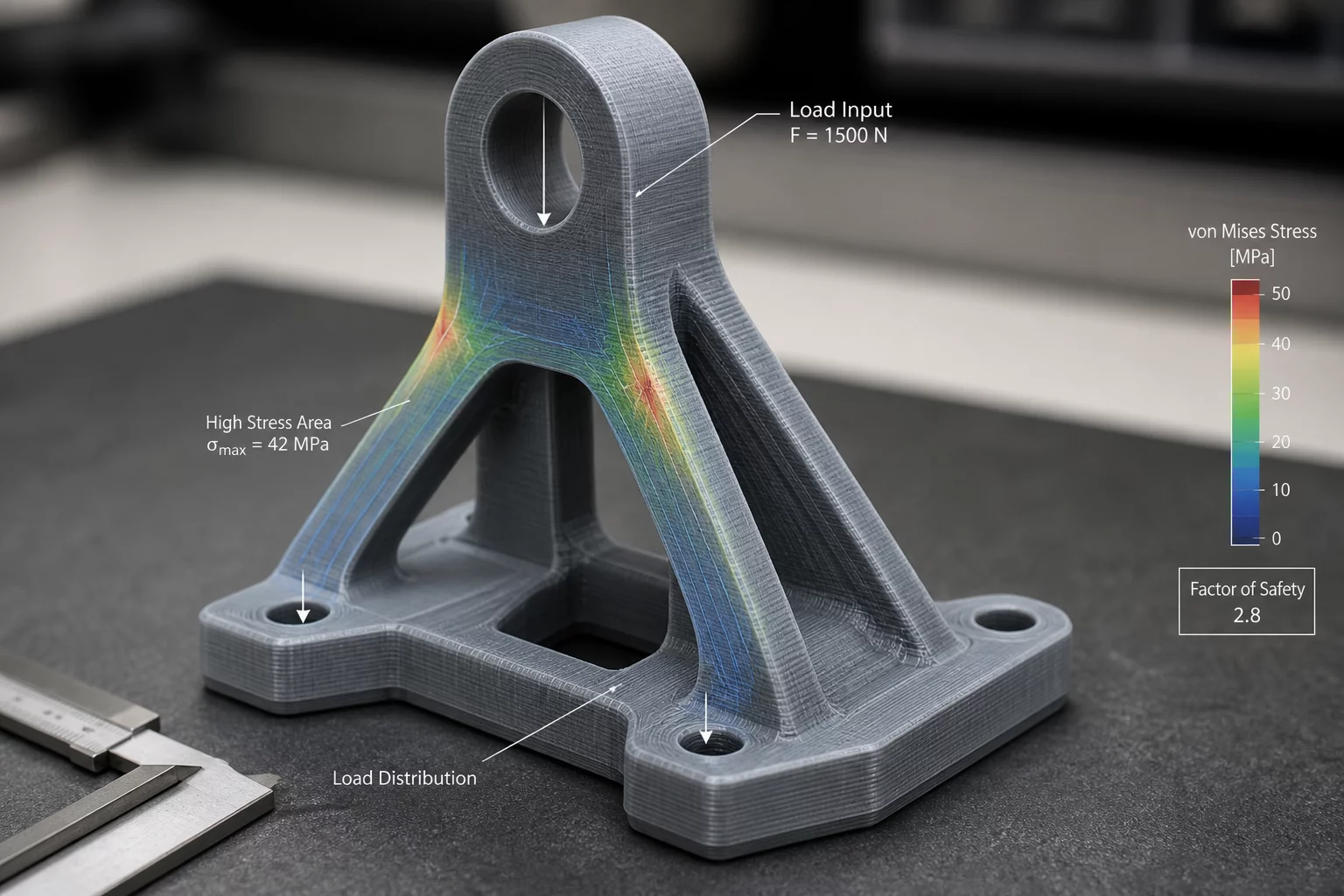
Aligning principal mechanical load vectors along continuous deposition planes to mitigate tensile shear and maximize yield capacity in structural parts.
Precision Standards
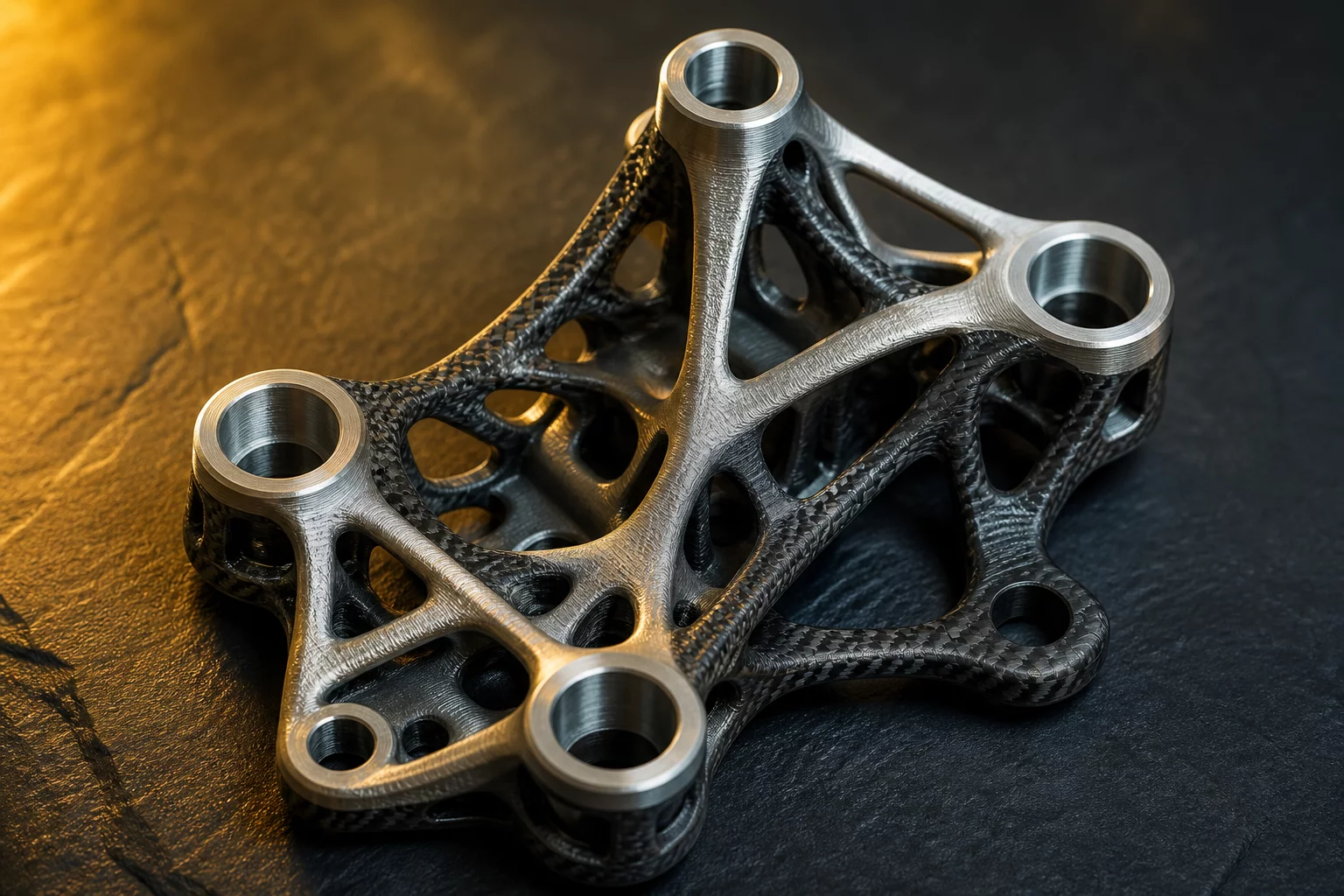
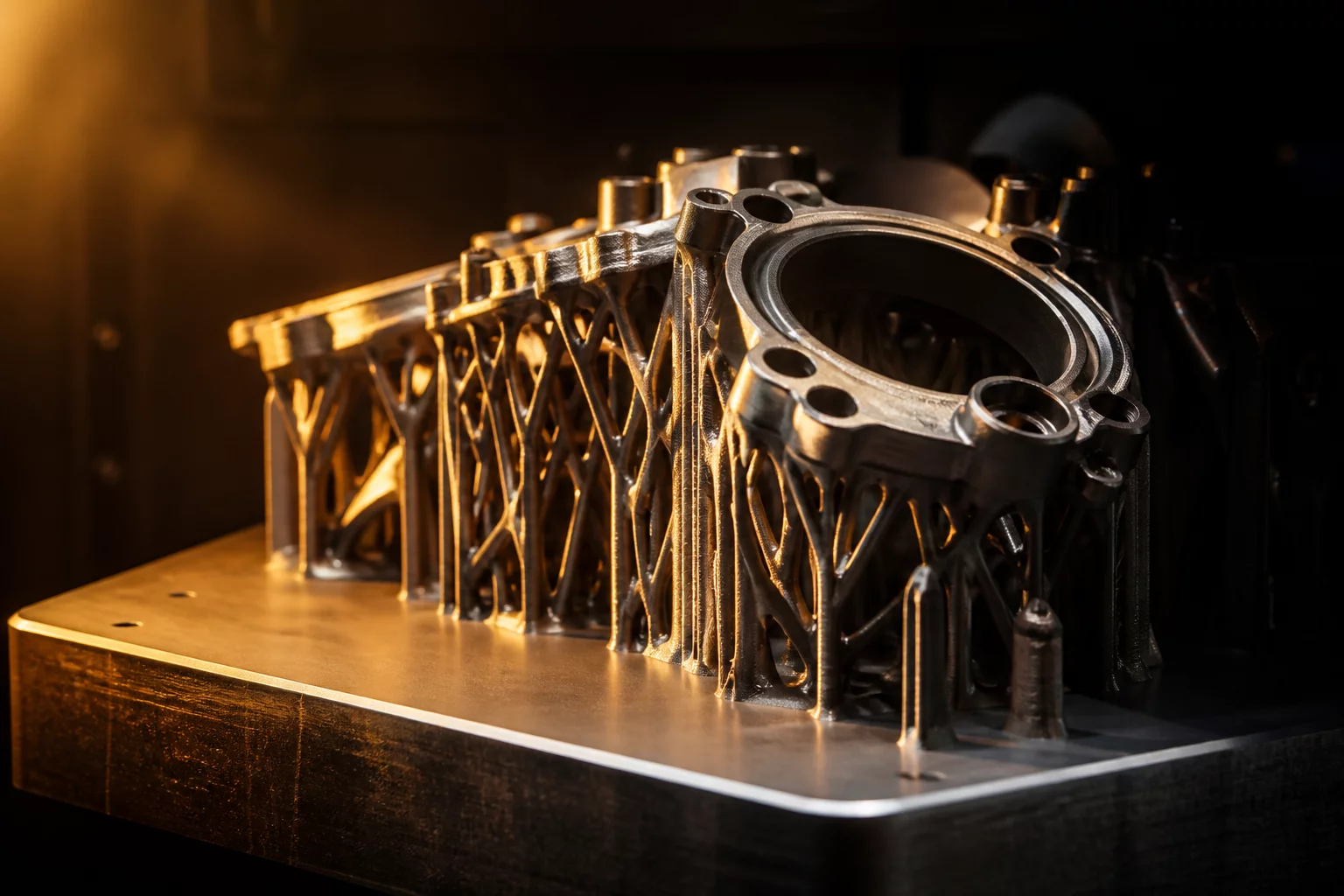
The easiest orientation to print is not always the best orientation for the part. Additive manufacturing requires deliberate multi-axis strategy to master tensile loading, interfacial tolerances, stepping topography, and post-processing access.
Aligning principal mechanical load vectors along continuous deposition planes to mitigate tensile shear and maximize yield capacity in structural parts.
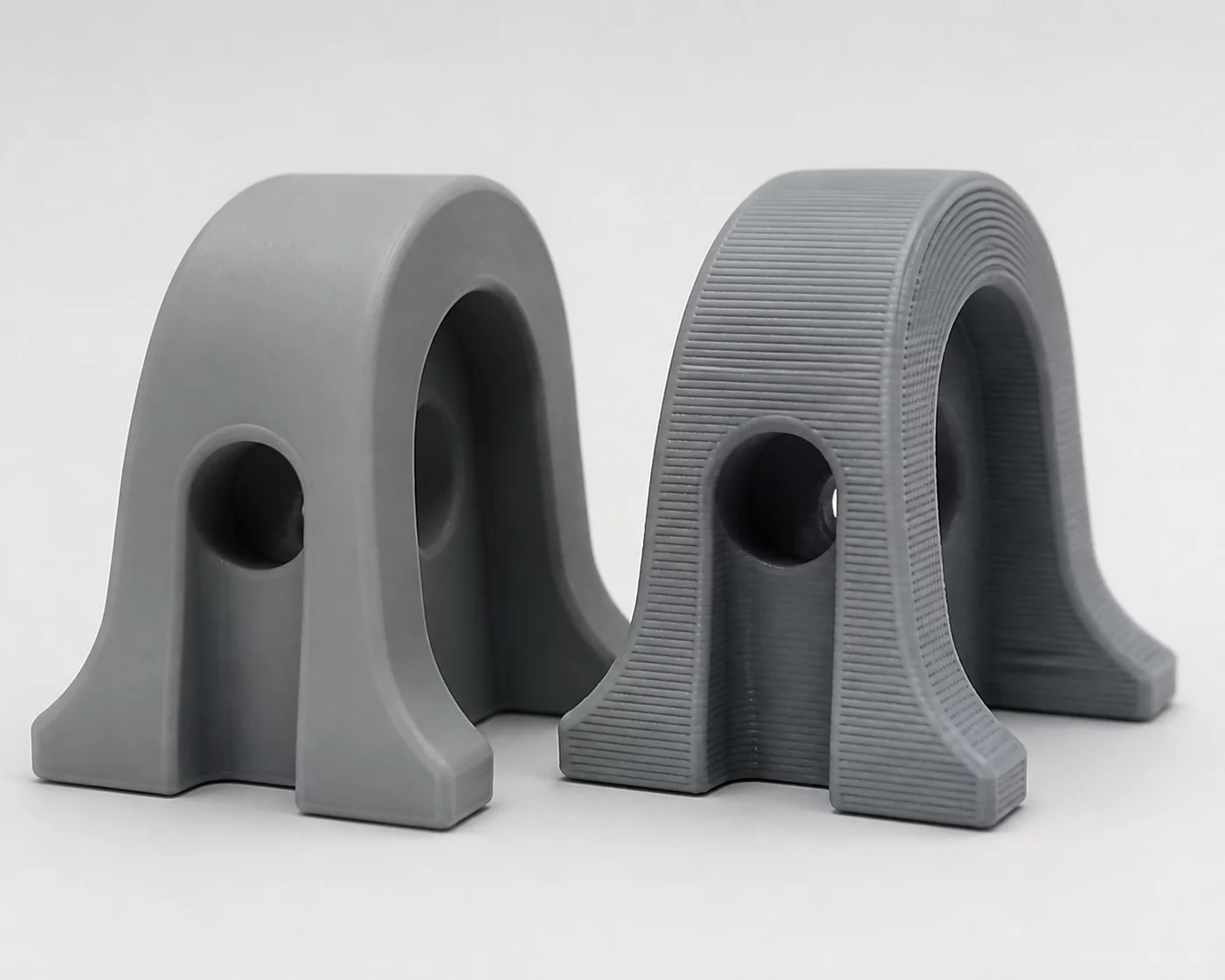
Managing staircase stepping artifacts and critical cosmetic contours by adjusting the inclination angle relative to build platforms and slicing strata.
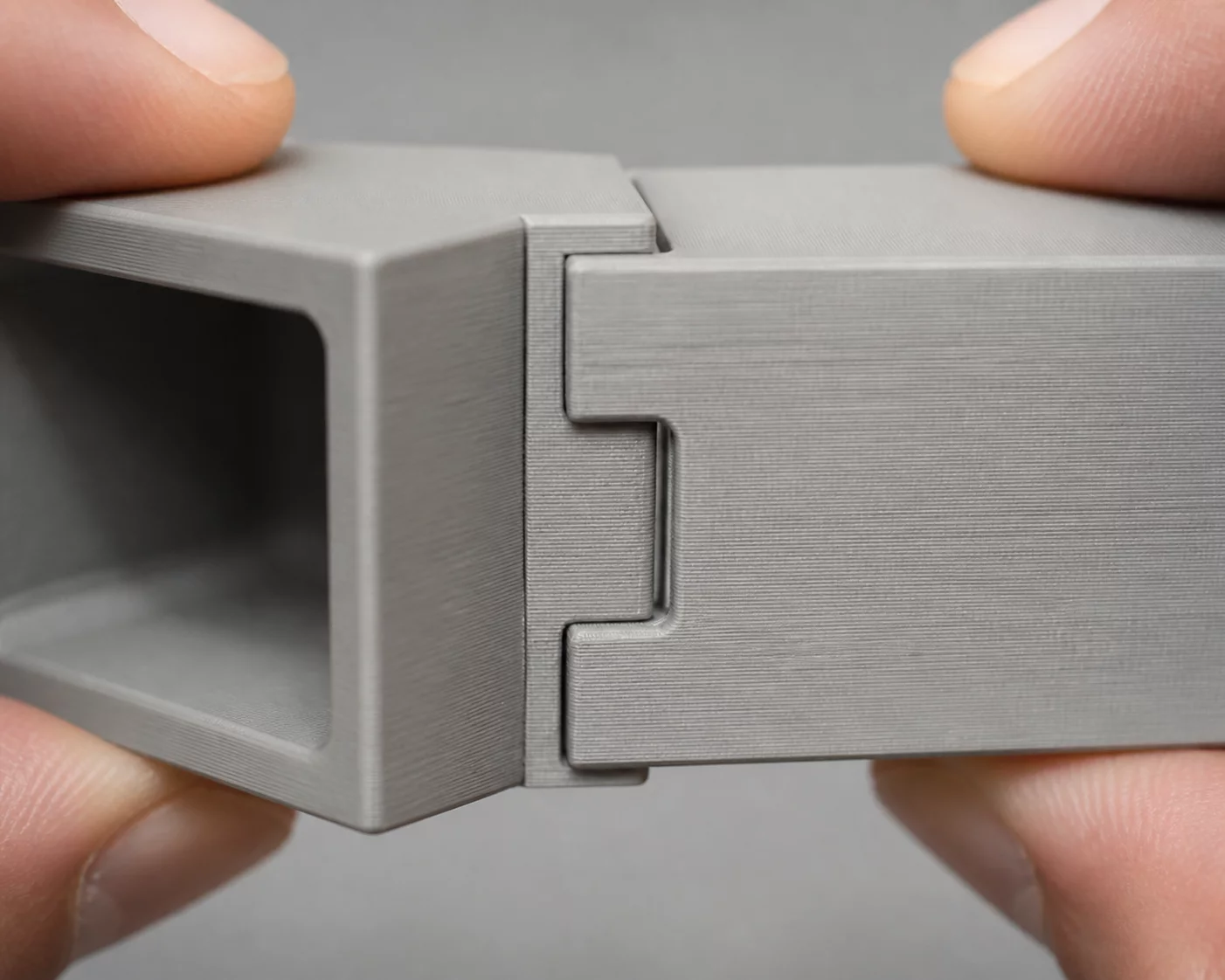
Preserving bore roundness, thread geometry, and press-fit tolerances through deliberate orthogonal alignment along XY interpolation planes.
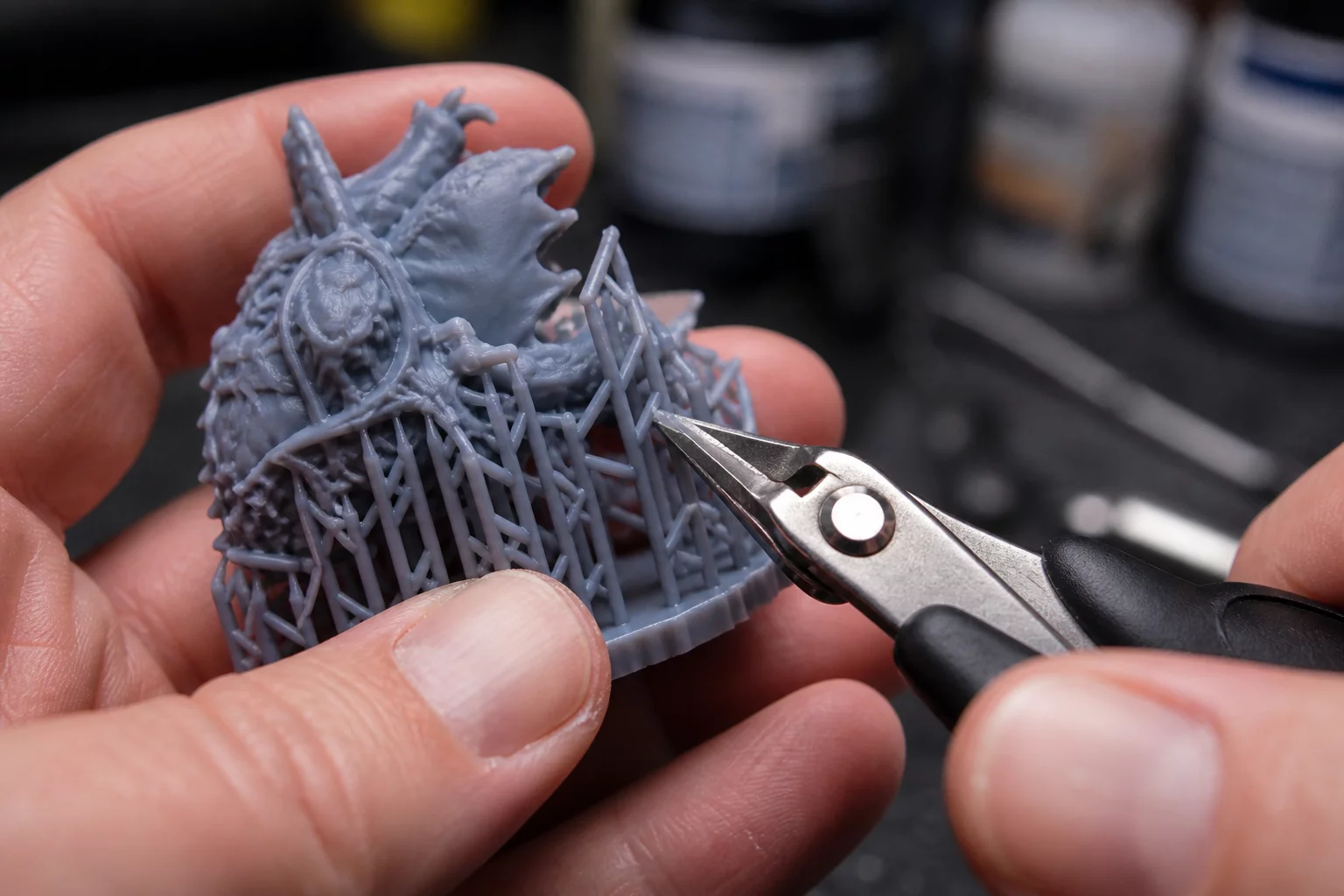
Optimizing overhang trajectories to reduce interface contact scar density, preventing post-processing pitting across crucial geometric mating zones.
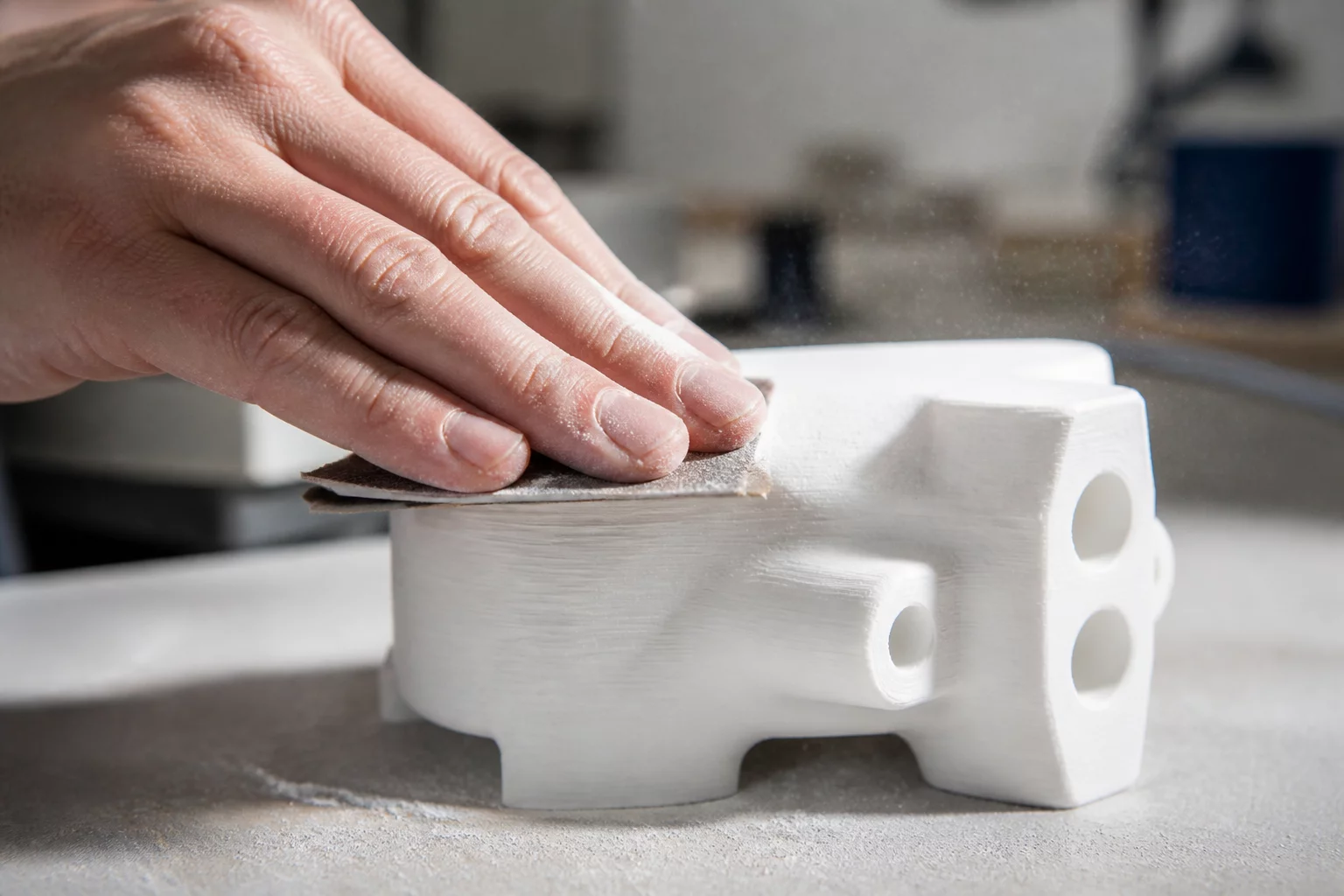
Factoring mechanical access for support detachment, abrasive smoothing, bead blasting, and solvent vapor cycles into initial CAD alignment.
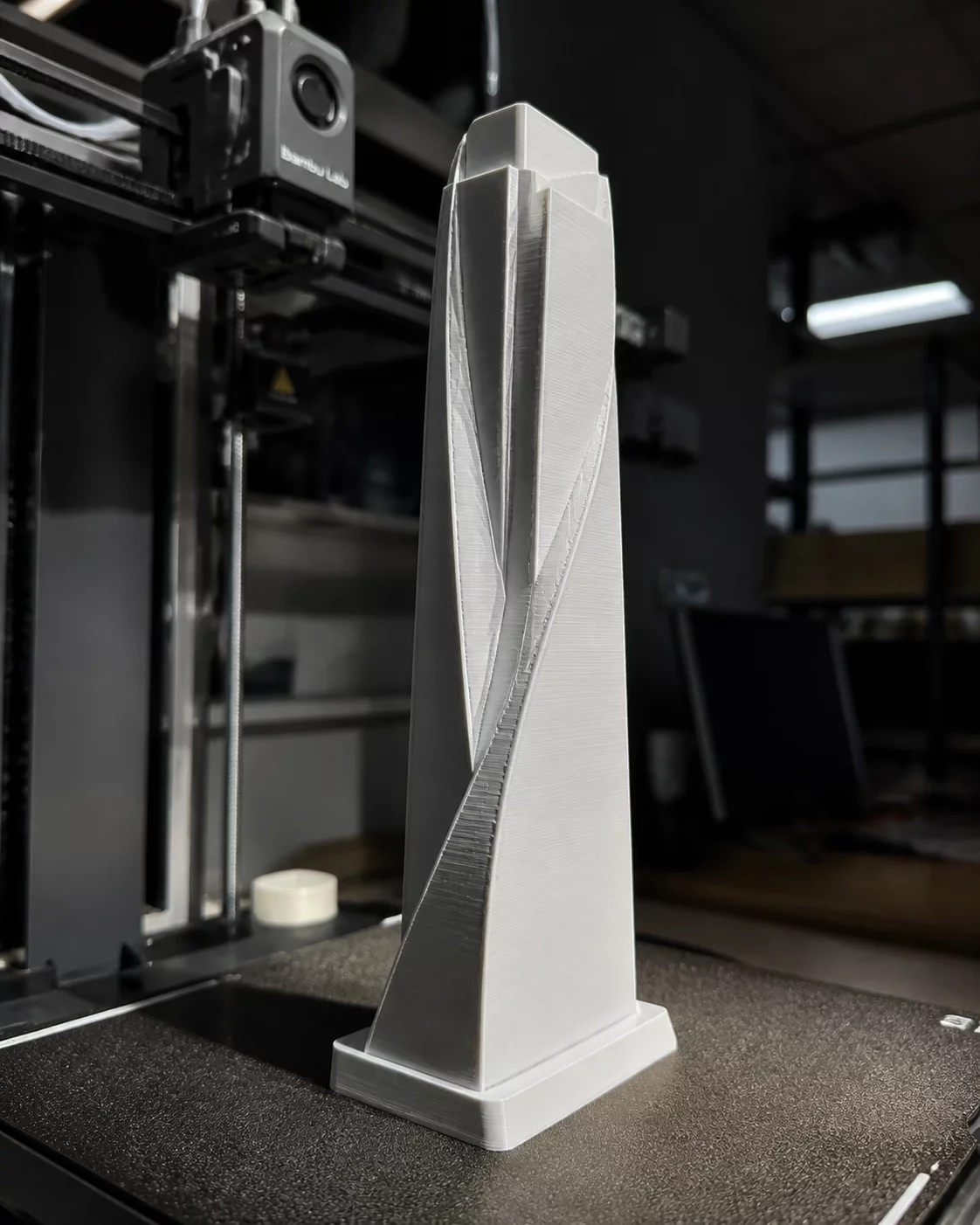
Balancing center-of-gravity elevation and base contact surface area to neutralize bed detachment, nozzle knock, and leverage vibrations.
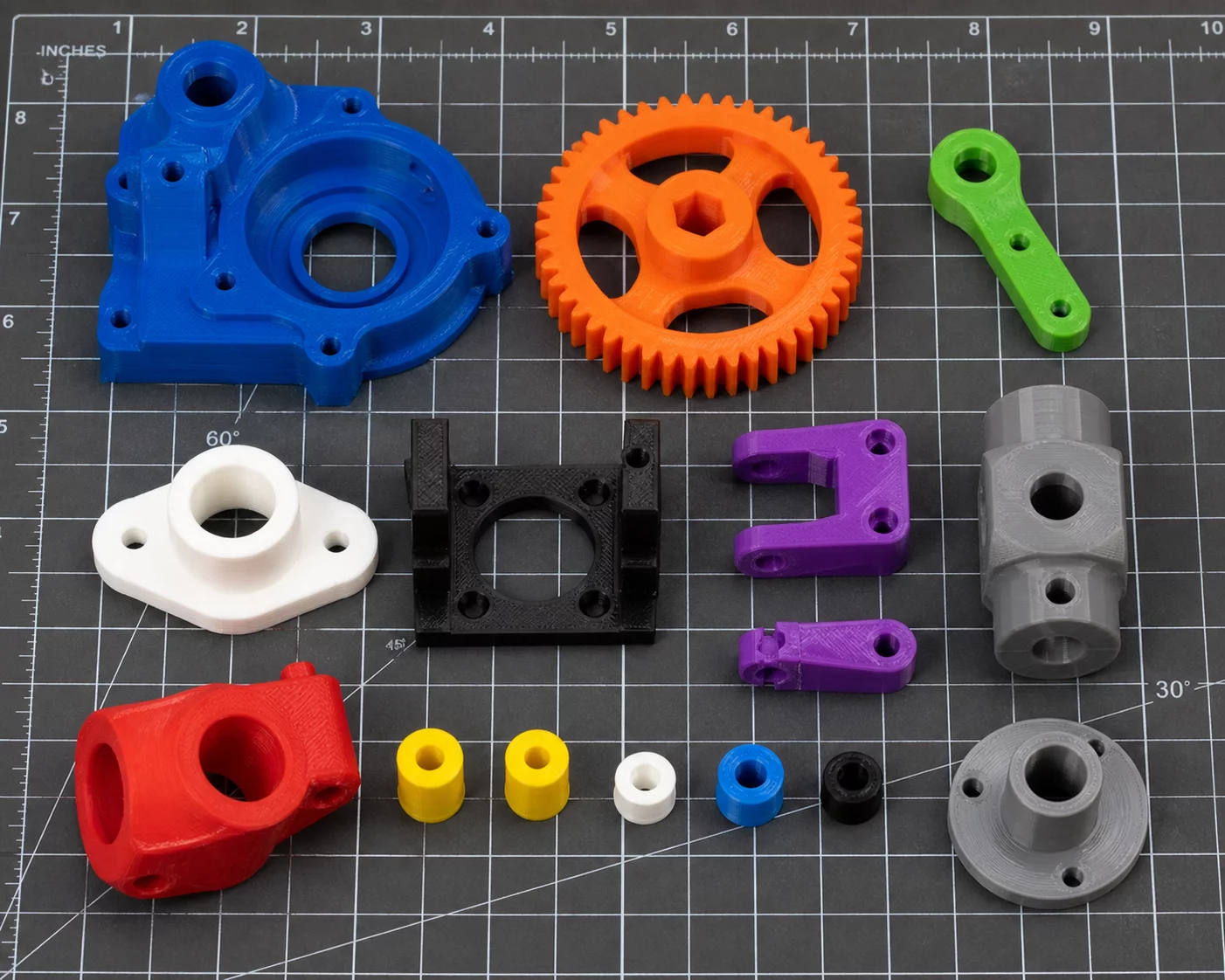
Positioning multi-part dowels, dovetails, and fasteners orthogonal to inter-layer cleavage planes to avert structural splitting during joint assembly.
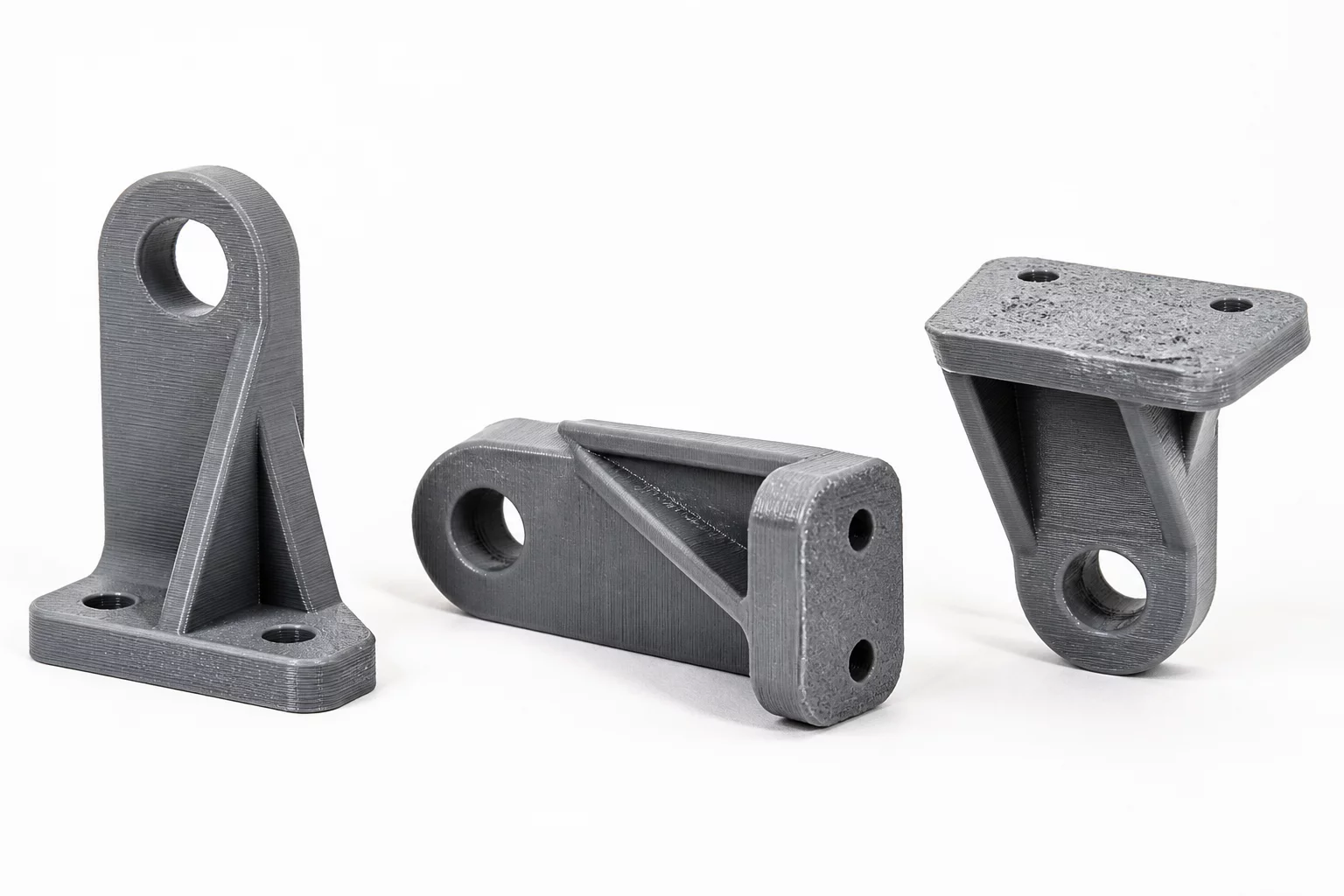
Navigating multi-variable compromises across print duration, material expenditure, tensile resistance, and visual finish during 3D print orientation decisions.
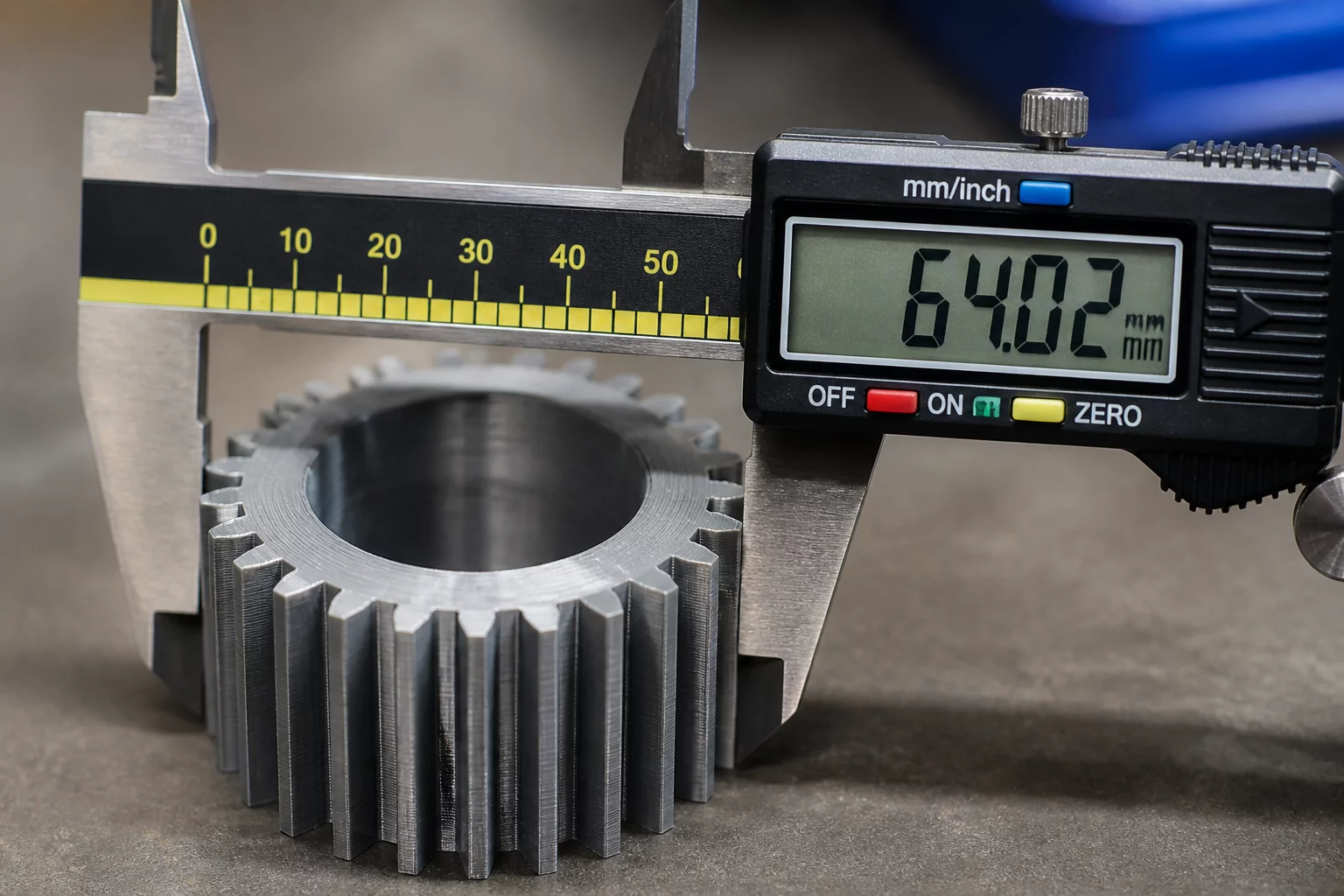
Leveraging differential stepper motor resolution across planar and vertical axes to satisfy micrometer-level precision criteria on critical datums.
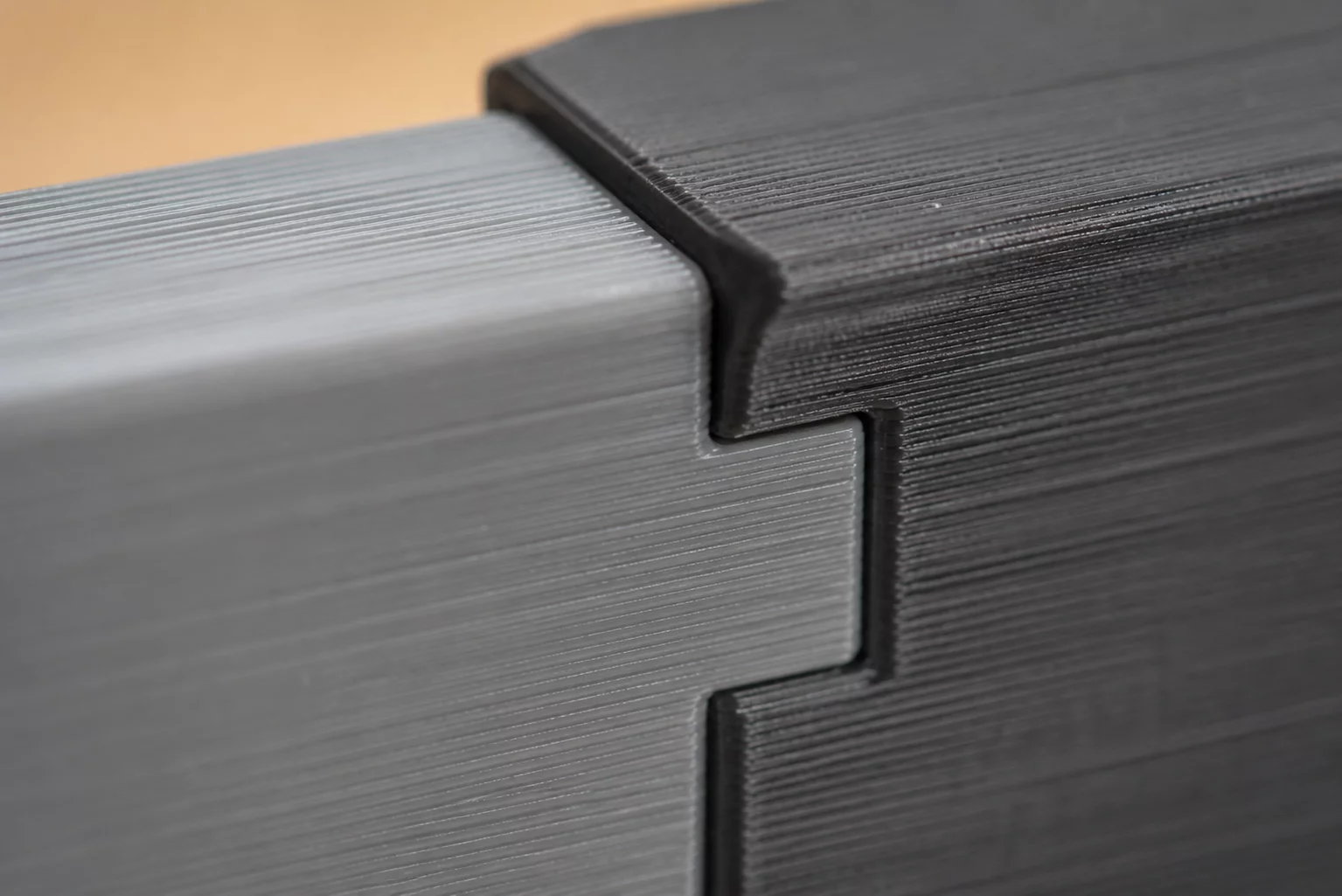
Implementing thermal detachment gap settings and dense interface layers during a structured PrusaSlicer orientation review for immaculate contact finishes.
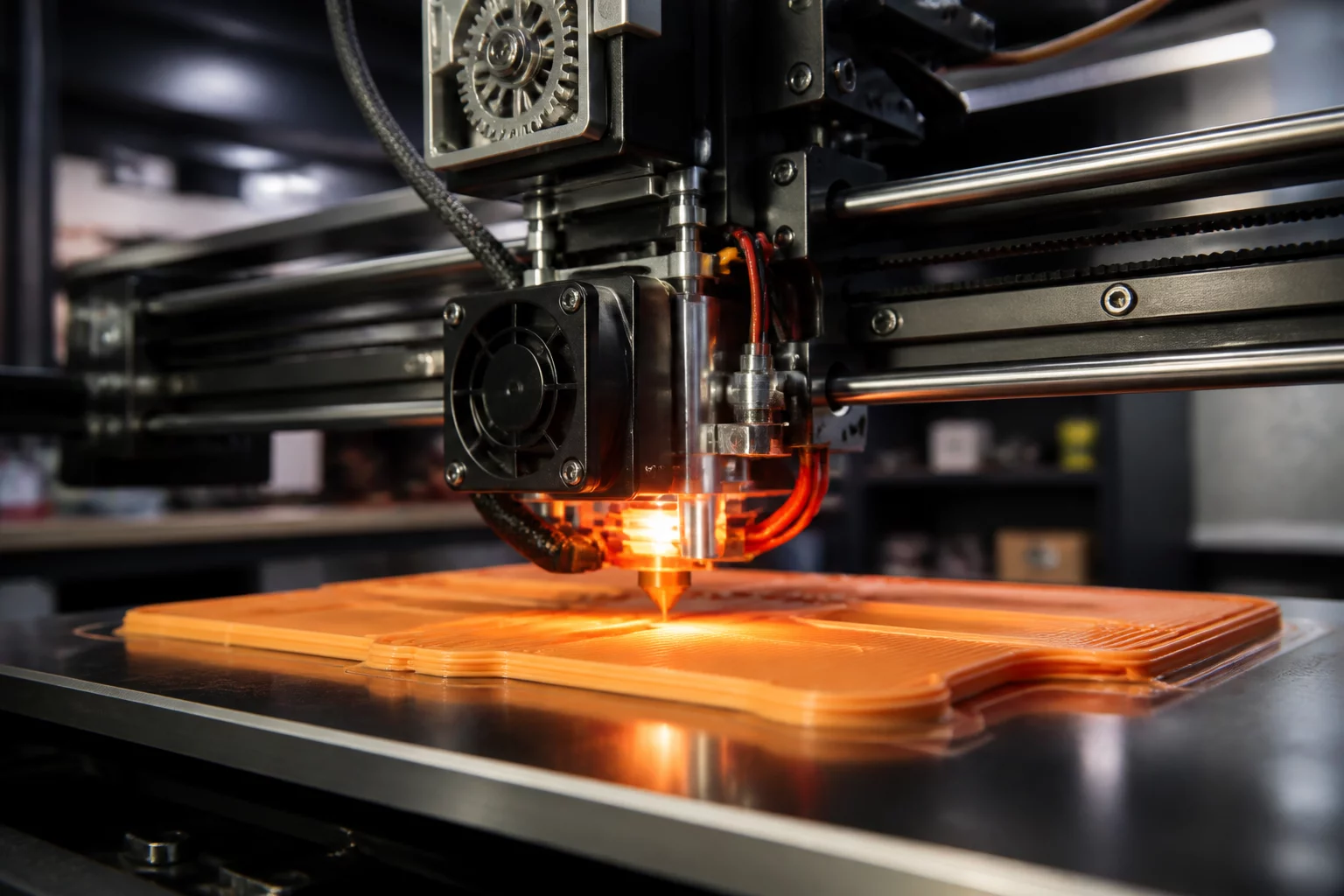
Preventing tall aspect-ratio resonance wobble and harmonic gantry deflection by selecting stable, squat pyramid build orientations.
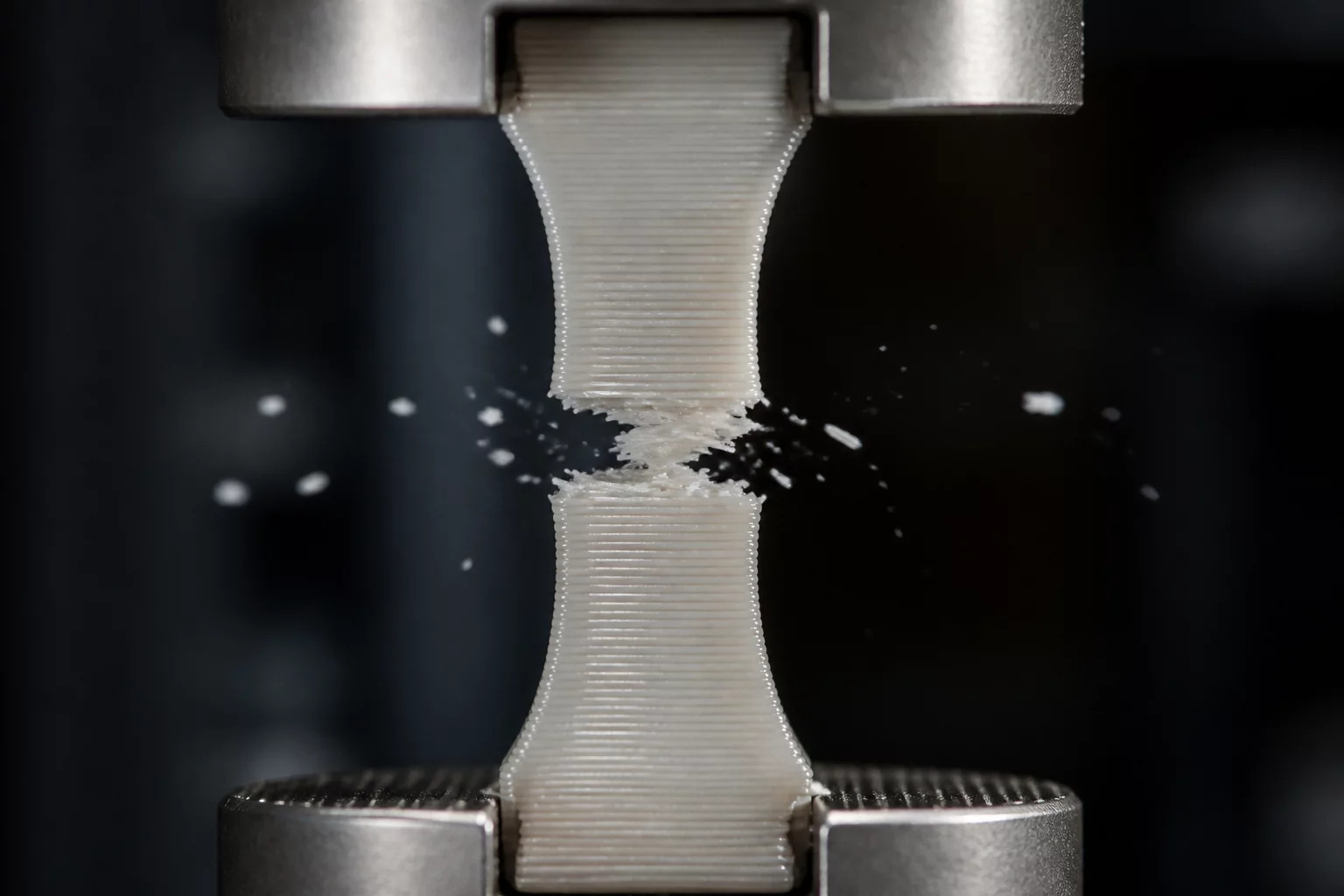
Evaluating semi-crystalline polymer weld strength and inter-laminar delamination hazards under compound torsional and bending forces.